
The $190 Billion Case for Ontology

AI models are getting smarter, but enterprise AI still struggles with context, accuracy, and shared meaning. The missing piece may be ontology: a clear definition of what your business data means, how it connects, and which rules AI should follow.
Why Understanding Your Customers is a Data Problem First
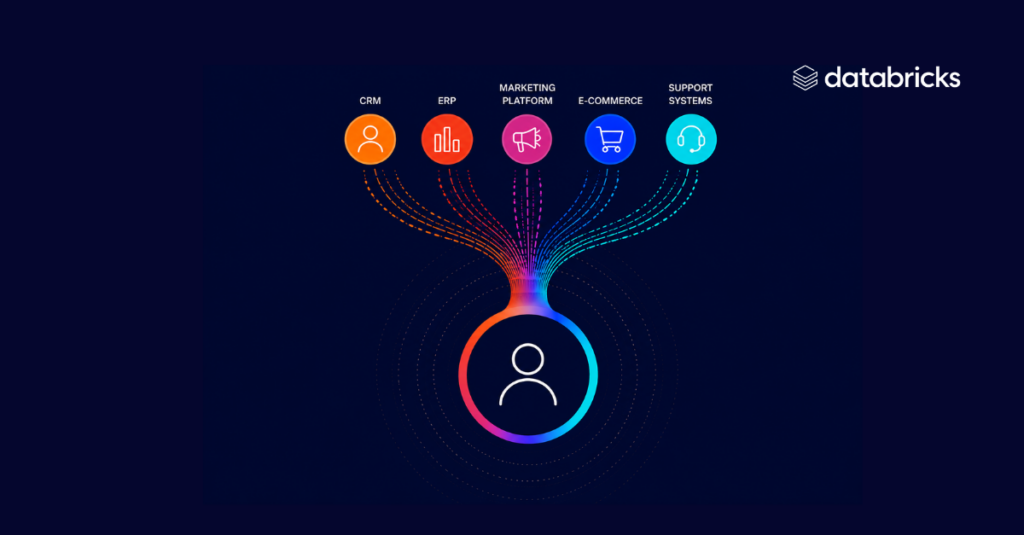
Many organizations think they have a customer understanding problem when they actually have a data problem. Customer information is scattered across systems, creating fragmented insights and inconsistent decisions. Learn why unified customer data is the foundation for better customer understanding, stronger AI initiatives, and long-term growth.
Metadata-Driven Orchestration in Microsoft Fabric: A Practical Path to Calmer Data Operations

Struggling with manual data pipelines? See how metadata-driven orchestration in Microsoft Fabric simplifies operations, reduces risk, and scales with your data platform.
Yocto vs. Buildroot vs. Ubuntu Core: Choosing an Embedded Linux System

Choosing between Yocto, Buildroot, and Ubuntu Core comes down to control, complexity, and long-term strategy—this guide breaks down how each approach impacts your embedded Linux development from day one to deployment.
CI/CD for Power BI: A Practical Guide to Version Control

Power BI version control has historically been messy and manual, but with CI/CD, teams can now use Git-based workflows to track changes, collaborate more effectively, and deploy with confidence.
From Bronze to Gold: A Technical Look at How Medallion Architecture Trains Responsible AI to Win

Learn how Medallion Architecture strengthens responsible AI by improving data quality, reducing bias, and creating Bronze, Silver, and Gold pipelines that help machine learning and LLM models deliver more accurate, trustworthy outcomes.
Healthcare’s Data Challenge: Why Fragmented Systems Are Holding Back Patient Outcomes

Disconnected systems make it harder for providers to deliver quality care. Learn how Microsoft Fabric helps healthcare organizations unify their data, reduce costs, and improve patient outcomes through better analytics and governance.
From Idea to Market: The Accelerated Timeline for Your Connected Product

Bringing a connected product from idea to market is rarely straightforward. Prototypes stall, launch dates slip, and costs climb. But with the right strategy and foundation, manufacturers can streamline development, shorten timelines, and launch products that are secure, scalable, and ready to evolve with the market.
The Total Cost of Ownership: Microsoft Fabric vs. Legacy Data Platforms

Licensing costs are just the beginning. This article explores the total cost of ownership—comparing Microsoft Fabric to legacy data platforms across infrastructure, operations, governance, and innovation.
Building vs. Buying: Making the Right Technology Decisions for Your IoT Manufacturing Initiatives

Manufacturers launching connected products face a critical decision: should you build your IoT platform from scratch or buy an off-the-shelf solution? This article explores the tradeoffs of each path—and why more teams are adopting flexible frameworks like CallBox to accelerate development without sacrificing control.
Predictive Maintenance with Microsoft Fabric: A Manufacturing Case Study

A global manufacturer had the data—but not the visibility. With Microsoft Fabric, they unified siloed systems, enabled predictive maintenance, and reduced downtime by 32%. This case study shows how the right data foundation made it all possible.
User Experience as Competitive Advantage: Why Smart Products Fail Without It

Smart products succeed or fail based on user experience—not just technology. Learn why UX is critical in connected products and how human-centered design builds trust, adoption, and long-term value.