Our client, a leading manufacturing company producing a high volume of parts, faced a critical challenge in quality assurance. The existing process relied on manual inspection by human operators, which led to inefficiencies, time-consuming procedures, and the potential for human error. Consequently, parts were categorized as “good,” “bad,” or “in need of adjustments.” This process highlighted the need for a more streamlined and accurate approach to meet quality standards.
Stage 1: Data Collection and Process Support
In the project’s initial phase, a custom application was developed to improve the quality control process. Parts were redirected to a dedicated photo station, replacing labor-intensive manual inspections. Human operators transitioned to screens, categorizing parts through image analysis to emulate the desired behavior for the future machine learning model. The primary emphasis was on meticulous data collection to effectively train the machine learning model.
Stage 2: Scoring and Validation
Building on the collected data from the first stage , Stage 2 introduced scoring mechanisms by dispatching images to the machine learning model. Human operators cross-verified their categorizations with the model’s outcomes, enhancing accuracy. Confidence thresholds were introduced to quantify the model’s reliability. This human-in-the-loop approach facilitated ongoing data refinement and ensured continuous improvement.
Stage 3: Automation and Enhanced Accuracy
The project culminated in Stage 3, aiming for a balanced fusion of human intervention and machine autonomy. Confidence thresholds were strategically set, determining when to rely on the machine learning model and when human validation was needed. This phase marked the transition towards full automation, where high-confidence results enabled autonomous processes, while lower-confidence outcomes triggered human validation. The goal was to create a future-proof, highly efficient quality assurance system exceeding business expectations.
Part Check significantly reduces the time and effort for quality assurance, accelerating the manufacturing process.
The accuracy of part categorization was improved with the use of AI, minimizing the risk of human error in quality assessments.
The approach of involving human validation in stage 2 allows for ongoing refinement of the machine learning model, ensuring that it continues to adopt to evolving production conditions.
Part Check offers flexibility, allowing a gradual transition from human-led validation to full automation, depending on the confidence levels achieved by the machine learning model.
Let’s talk about your unique challenges and explore how we can craft a solution that fits your needs. Whether you’re looking to streamline processes, innovate with new technology, or bring a bold idea to life, our team is here to help. Reach out today and take the first step toward turning your vision into reality with a trusted partner by your side.
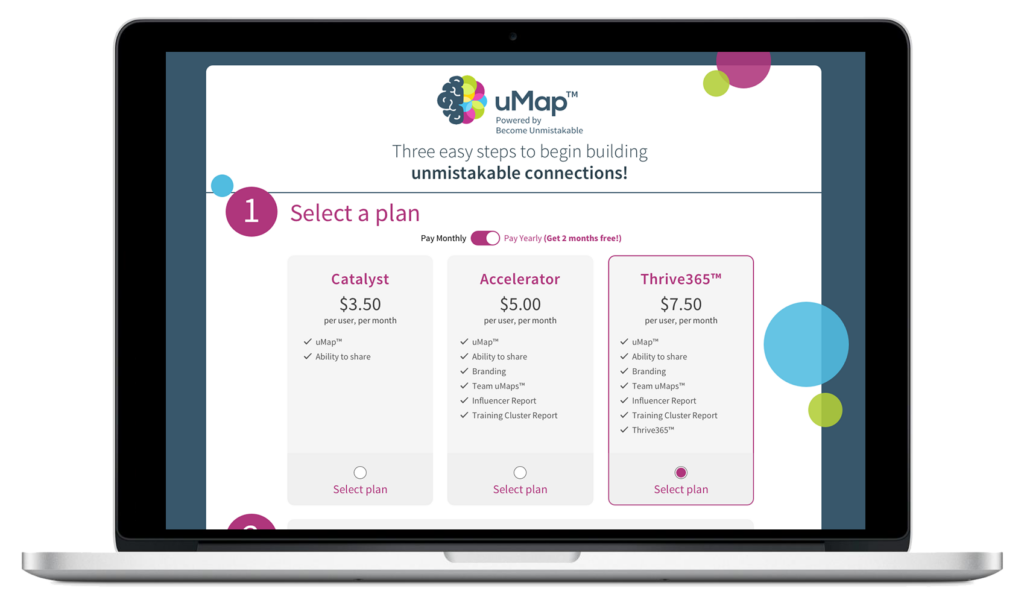
In the past, companies looking to purchase the uMap™ tool had to talk to the BU sales team. Now, companies ready to use this powerful tool can purchase the uMap™ tool online. The software walks the purchasers through an easy onboarding process to get them from purchase to up-and-running in very little time!
Creating a uMap™ is simple, yet very informative and inspiring. Each employee is guided through a series of questions that tap into both their professional and personal self.


The uMap™ software comes complete with features allowing managers to complete a review process using each employee’s unique uMap™.
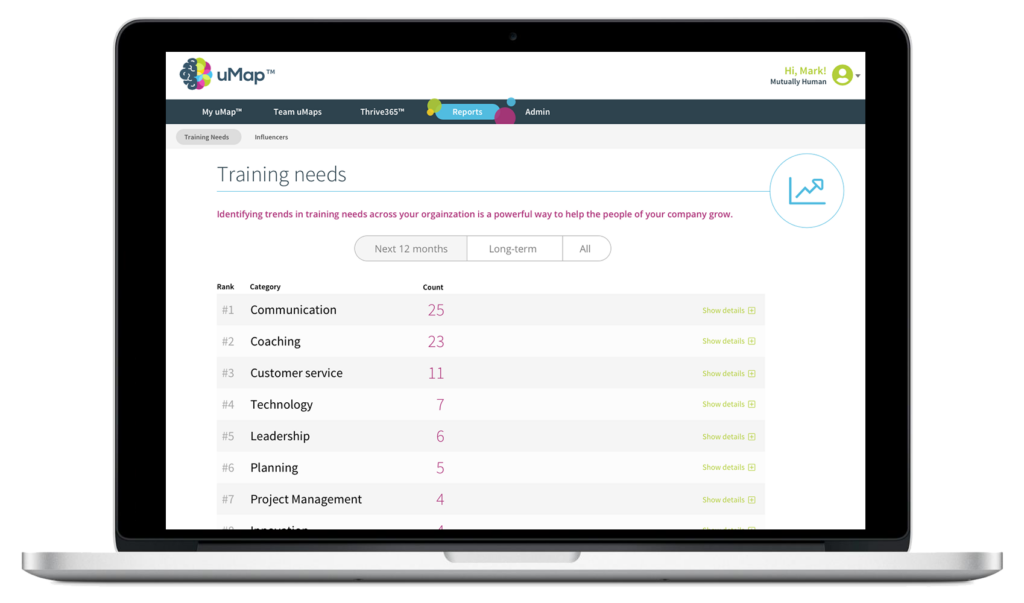
When employees fill out a uMap™ there is a lot of information that could be very beneficial to their company. What training do their employees need? Who are the influencers in the organization?