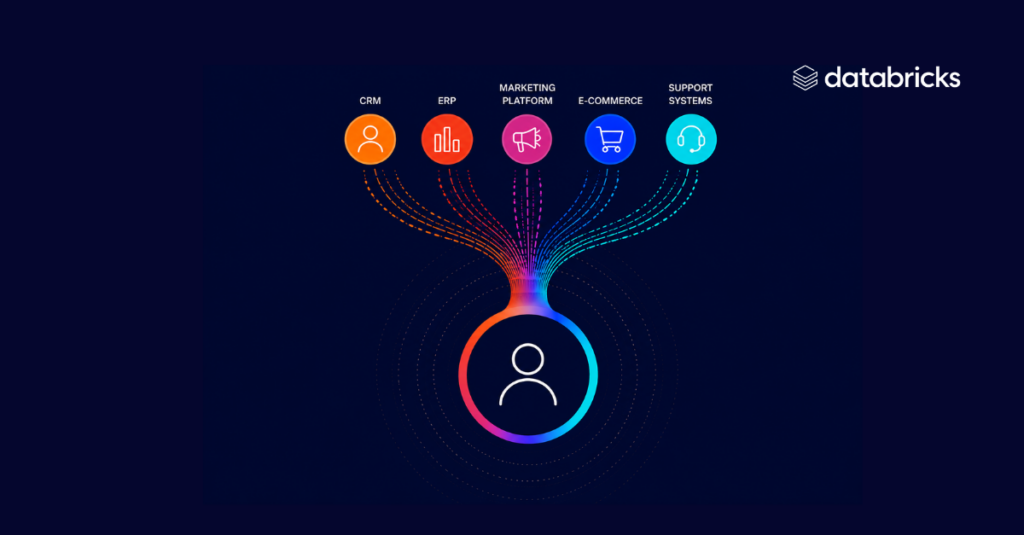

In healthcare, data isn’t just numbers on a screen. It’s the difference between early intervention and missed opportunities, coordinated care and costly readmissions. Yet despite investments in digital systems, too many healthcare organizations remain hamstrung by one persistent challenge: fragmented data.
When critical insights live in disconnected systems, it becomes nearly impossible to deliver the seamless, informed care patients deserve. The consequences ripple across clinical outcomes, operational efficiency, and compliance. And while the industry recognizes the urgency of connected data, achieving it has proven far more difficult than expected.
The Cost of Fragmentation
Most healthcare organizations juggle dozens of platforms:
- Electronic health records (EHR)
- Laboratory information systems
- Imaging and radiology tools
- Billing and insurance systems
- Scheduling and patient portals
- Data from devices and wearables
- Legacy systems and frameworks, including manually updated flat files
Individually, each serves its purpose. Collectively, they form a patchwork of silos that limit visibility. Clinicians waste time reconciling reports. Administrators face conflicting data sets. Researchers lack complete information for analysis.
The impacts go beyond frustration:
Delayed diagnosis and treatment: Without a unified view, providers may miss critical context, delaying decisions and increasing risks to patients.
Duplicated tests and procedures: Disconnected systems often mean repeating work unnecessarily, adding cost and burden to both patients and providers.
Care coordination breakdowns: Multiple specialists rarely have access to the same real-time data, which hampers collaboration and continuity of care.
Compliance risks: Fragmentation complicates security protocols and HIPAA reporting, exposing organizations to audit failures and breaches.
According to the Office of the National Coordinator for Health IT, nearly 70% of hospitals report challenges exchanging patient information with other systems. Another study found that poor data exchange is estimated to cost the U.S. healthcare system over $30 billion annually.This includes wasted time, redundant testing, and delayed treatments.
The evidence makes it clear: unless organizations address fragmentation, they’ll continue to face higher costs, compliance risks, and missed opportunities for better outcomes.
Why Patient Outcomes Suffer
When data is inconsistent or inaccessible, the impact isn’t confined to IT teams — it cascades through the entire care journey.
- Missed opportunities for prevention: Early warning signs often surface in lab results, imaging, or data from wearables. But when those signals remain siloed, providers lose the chance to intervene before conditions worsen.
- Higher readmission rates: Without a complete view of the patient, hospitals struggle to anticipate complications or coordinate post-discharge care, leading to avoidable readmissions that put patients at risk and drive up costs.
- Patient dissatisfaction: Asking patients to repeat their histories, undergo duplicate tests, or wait for records to be reconciled erodes trust in the healthcare system. In fact, patient experience scores often dip in environments where data is fragmented.
- Clinician burnout: Doctors and nurses spend significant portions of their day searching, reconciling, or re-entering data across multiple systems. This administrative burden not only takes time away from patients but is also cited as one of the leading contributors to burnout and workforce turnover.
These challenges add up to a system where the quality of care is compromised, costs rise, and both patients and providers are left with unnecessary burdens.
The Vision for Connected Healthcare Data
Imagine this instead:
A clinician sees a patient’s entire record — from lab results and imaging to prescriptions and device data — in one secure, governed, and mastered view.
Administrators monitor performance, costs, and population health trends without reconciling reports across multiple systems.
Researchers accelerate medical breakthroughs with clean, complete data sets ready for advanced analytics.
The result is care that is:
- Faster and more accurate: Providers can act on complete and consistent information in real time.
- More personalized: Insights from across the patient journey enable tailored care plans.
- More efficient: Reducing duplication and manual reconciliation lowers costs and frees capacity.
- Safer: Stronger governance and security reduce compliance risk and data breaches.
When data works together, healthcare organizations can deliver care that is faster, safer, and more aligned with patient needs.
Why Traditional Integration Approaches Fall Short
Many organizations have attempted to bridge silos with point-to-point integrations, numerous crosswalk tables, or custom interfaces. While these can provide progress, they often create new challenges:
High maintenance costs: Each integration requires ongoing updates and monitoring. As systems multiply, IT teams spend more time keeping connections stable and compliant with HIPAA — and less time on projects that improve patient care.
Limited scalability: Adding new systems compounds complexity rather than reducing it. What starts as a few connections can quickly become hundreds of interdependent touchpoints.
Fragile infrastructure: A change in one system can break connections across many, creating cascading failures that impact patient care.
Incomplete data governance: Even with integrations, ensuring consistent security, privacy controls, and audit trails across all connections remains challenging.
In short: traditional integration approaches, while necessary stepping stones, aren’t sufficient for healthcare’s long-term data needs.
A Unified Foundation: Microsoft Fabric for Healthcare
Healthcare organizations need a different approach, one that creates a unified data foundation rather than merely connecting disparate systems. Microsoft Fabric represents this new paradigm, designed specifically to address the limitations of traditional integration methods.
What makes Fabric different:
Unified data lake architecture: Rather than moving data between systems, Fabric consolidates information into OneLake, where it becomes immediately available across all analytics tools and applications. This eliminates the complexity and maintenance burden of point-to-point integrations.
Healthcare-grade governance and security: Fabric includes built-in compliance capabilities designed for regulated industries, with HIPAA-aligned security controls, automated audit trails, and granular access management that scales across the organization.
Real-world impact in practice: Healthcare providers typically spend 60–70% of their analysis time just preparing data rather than using it. Microsoft Fabric helps reverse that equation by streamlining ingestion and unifying data in OneLake, so clinicians and analysts can focus on insights instead of cleanup. Early adopters are already leveraging Fabric’s healthcare data solutionsto improve care coordination, accelerate analysis, and reduce duplication in diagnostic workflows by consolidating EHR, imaging, and operational data into governed, accessible views.
AI and analytics capabilities: With Synapse Analytics, Power BI, and Copilot integrated natively, clinicians can ask natural language questions like “Which of my diabetic patients are at highest risk of readmission this month?” and receive governed, comprehensive answers drawn from all available data sources.
Implementation Considerations and Realistic Expectations
Adopting a unified data platform isn’t without challenges. Healthcare organizations considering this approach should expect:
Significant upfront planning: Data migration and mastering, staff training, and workflow redesign require substantial time and resources. Most implementations take 12-18 months for full deployment across large health systems.
Change management complexity: Clinical staff, IT teams, and administrators all need to adapt to new workflows. Success requires strong leadership commitment and comprehensive training programs.
Initial integration effort: While Fabric simplifies long-term data management, the initial work to connect existing systems and clean historical data remains substantial.
Ongoing governance requirements: A unified platform requires new policies, procedures, and oversight mechanisms to ensure data quality and compliance across all sources.
However, organizations that have successfully implemented unified data platforms consistently report that the long-term benefits, including improved patient outcomes, reduced costs, and enhanced clinician satisfaction, justify the initial investment.
Moving Forward: Turning Potential into Practice
Healthcare’s data challenge won’t disappear overnight. But organizations that address it now will be better equipped to deliver care that is more connected, efficient, and safe.
Microsoft Fabric provides the foundation to unify data and open the door to new possibilities. What makes the difference is how it’s put into practice — aligning the platform with your workflows, compliance requirements, and long-term goals.
That’s where Mutually Human comes in. We work alongside healthcare leaders to design a roadmap, guide implementation, and build the processes that make Fabric successful in day-to-day care delivery.
Unified data isn’t just a technical upgrade. It’s the groundwork for better patient outcomes, more empowered clinicians, and a stronger health system overall.
If your organization is ready to move past fragmented systems, let’s talk about how we can help you put Microsoft Fabric into action.