The technology you rely on every day should help your business move faster — not create more work. As organizations grow, systems become disconnected, manual processes multiply, and simple tasks become harder than they should be. Over time, those small inefficiencies add up to slower decisions, frustrated teams, and missed opportunities.
What's standing in the way?
Disconnected systems
Information lives across multiple platforms that don’t communicate, forcing your team to jump between systems just to get work done.
Manual work everywhere
Employees spend valuable time entering data, updating spreadsheets, and managing repetitive tasks that should happen automatically.
Limited visibility
Without reliable, real-time information, leaders struggle to make confident decisions and identify problems before they grow.
No time to improve
Everyone knows where the bottlenecks are, but competing priorities and limited internal capacity make meaningful improvements difficult.
How we improve operations.
Every organization operates differently, but successful operational improvements follow the same approach. We work alongside your team to understand how work gets done today, identify what’s creating friction, and implement technology that makes your business easier to run — not more complicated.
People
Technology only creates value when people use it. We work alongside your teams to understand how they operate, reduce friction, and build solutions that fit naturally into the way they already work.
Process
Before implementing new technology, we evaluate the processes behind it. By simplifying workflows and removing unnecessary steps, we create a stronger foundation for automation and long-term improvement.
Technology
Technology should make operations easier, not more complex. We connect systems, automate repetitive work, and build solutions that support your business today while giving you room to grow tomorrow.
Solve the problems slowing your business down.
No two organizations operate exactly the same, but the operational problems we solve are remarkably consistent. Here are some of the ways we help teams remove friction, improve efficiency, and create capacity.
Modernize
Modernize aging systems
Update the technology your business depends on without disrupting daily operations or losing valuable data.
Modernize
Give your teams better tools
Build applications that simplify everyday work, reduce repetitive tasks, and help employees work more efficiently.
Connect
Connect disconnected systems
Create a seamless flow of information across your ERP, CRM, finance, operations, and other business systems.
Connect
Eliminate manual paperwork
Automatically capture information from documents, forms, and invoices so your team spends less time entering data and more time moving work forward.
Automate
Automate repetitive work
Replace manual workflows with automation that reduces errors, speeds up processes, and frees your team to focus on more important work.
Automate
Speed up quoting and estimating
Generate accurate quotes faster by bringing together pricing, inventory, customer information, and business rules in one streamlined process.
What changes after we work together.
The right technology doesn’t just improve individual processes — it changes how your organization operates. The result is a business that’s easier to run, better equipped to grow, and more prepared for what’s next.
Your teams spend less time on manual work
Automation reduces repetitive tasks so employees can focus on work that creates more value.
Information moves seamlessly across your business
Connected systems eliminate duplicate data entry, improve accuracy, and keep everyone working from the same information.
Leaders make decisions with confidence
Reliable, real-time visibility gives you the insight to act faster and plan with greater certainty.
Operations scale without adding complexity
Build a stronger operational foundation that supports growth without creating more administrative work.
Employees have better tools to do their jobs
Modern applications and streamlined workflows remove friction from everyday work.
Continuous improvement becomes possible
With better data and connected systems, your organization can identify new opportunities to improve long after implementation.
Artificial Intelligence & Machine Learning
Bottleneck Removed with AI-Enabled Micro Applications
A life sciences consulting firm partnered with Mutually Human to speed up research-driven presentations. AI-powered micro applications reduced manual effort while improving accuracy, governance, and scalability.
We don’t disappear for six months and return with a solution that doesn’t fit your reality. We work alongside your team to deliver early wins, build solutions that solve real business problems, and continue improving them as your business evolves.
Accelerate
This is how we get you going quickly
Build
Flexible options for a production solution
Support
How we help ensure long-term success and scale
Accelerate
Understand your business
Learn how your organization operates, identify where friction exists, and align on the operational outcomes that matter most before recommending technology.
Build
Deliver the right solution
Design, implement, and integrate technology that simplifies operations, connects systems, and supports the way your business works.
Support
Keep improving
Continue optimizing performance, adapting to changing business needs, and identifying new opportunities to improve over time.
Make operations easier to run.
If manual work, disconnected systems, or inefficient processes are slowing your business down, let’s talk about what better could look like.
Read our latest data and artificial intelligence insights.
From the data foundation to the AI built on top of it. Find the capability that matches your problem, or start a conversation and we’ll help you place it.
Artificial Intelligence • Data & Intelligence • Data Engineering • Data Management • GenerativeAI • Strategy & Advisory
AI models are getting smarter, but enterprise AI still struggles with context, accuracy, and shared meaning. The missing piece may be ontology: a clear definition…
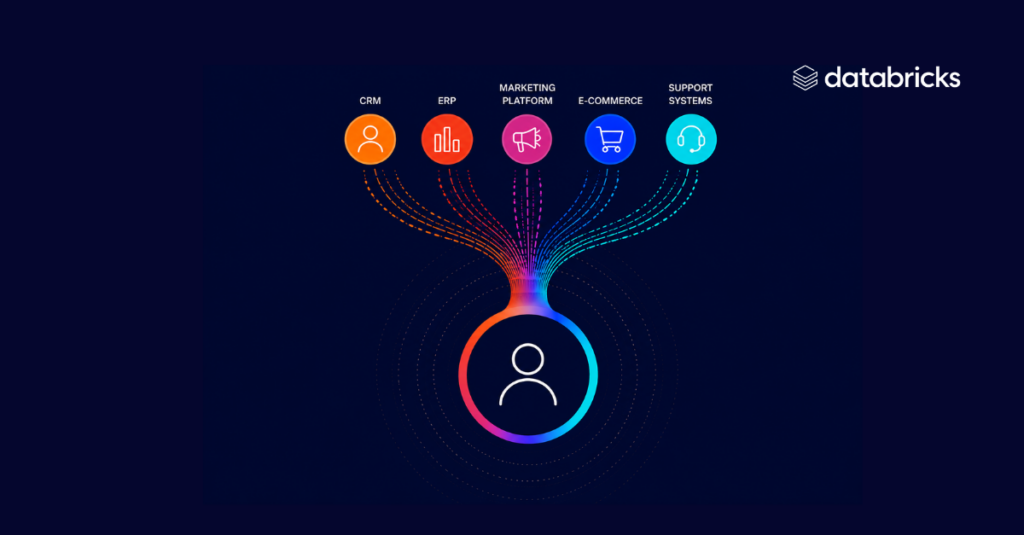
Many organizations think they have a customer understanding problem when they actually have a data problem. Customer information is scattered across systems, creating fragmented insights…
Struggling with manual data pipelines? See how metadata-driven orchestration in Microsoft Fabric simplifies operations, reduces risk, and scales with your data platform….
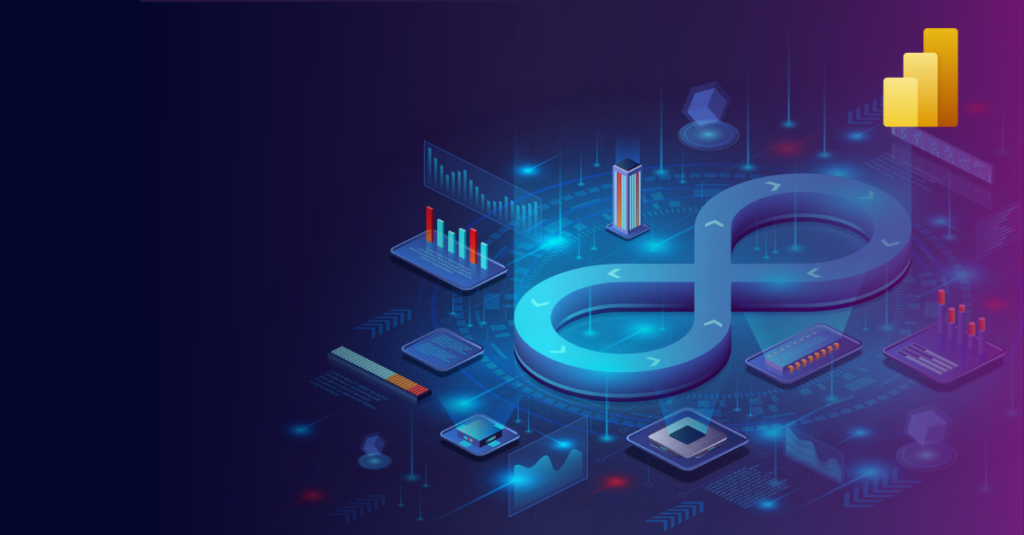
Power BI version control has historically been messy and manual, but with CI/CD, teams can now use Git-based workflows to track changes, collaborate more effectively,…
Learn how Medallion Architecture strengthens responsible AI by improving data quality, reducing bias, and creating Bronze, Silver, and Gold pipelines that help machine learning and…
Disconnected systems make it harder for providers to deliver quality care. Learn how Microsoft Fabric helps healthcare organizations unify their data, reduce costs, and improve…
Licensing costs are just the beginning. This article explores the total cost of ownership—comparing Microsoft Fabric to legacy data platforms across infrastructure, operations, governance, and…
A global manufacturer had the data—but not the visibility. With Microsoft Fabric, they unified siloed systems, enabled predictive maintenance, and reduced downtime by 32%. This…