Customer expectations are rising faster than most organizations can adapt.
Your customers compare every interaction to the best digital experiences they’ve had anywhere. Disconnected systems, inconsistent processes, and limited visibility make it difficult to deliver the seamless experience they expect — and even harder to improve it over time.
What's standing in the way?
Disconnected customer journeys
Customers move between channels, departments, and systems, but the experience often feels fragmented instead of seamless.
Experiences that create friction
Complicated processes, slow response times, and outdated technology make it harder for customers to accomplish what they came to do.
Limited visibility into customer needs
Without a complete picture of the customer journey, it’s difficult to understand where frustration exists or what improvements will have the biggest impact.
No time to improve the experience
Most teams know the customer experience could be better, but competing priorities make it difficult to continuously test, improve, and evolve.
How we elevate the customer experience.
Exceptional customer experiences don’t happen by accident. They come from understanding your customers, designing intentional interactions, and building technology that makes every touchpoint feel connected. Every solution is shaped by real user needs, refined through feedback, and designed to evolve as your customers’ expectations change.
People
We work with your teams to understand customer needs, identify pain points, and design experiences that create lasting value for both your customers and your business.
Process
Before implementing new technology, we evaluate the customer journey to identify friction, simplify interactions, and create a more consistent experience across every touchpoint.
Technology
Technology should make it easier for customers to do business with you. We build connected digital experiences that improve engagement, strengthen relationships, and make every interaction more intuitive.
Create experiences customers remember.
Every organization wants to deliver a better customer experience. The challenge is creating one that’s consistent across every interaction. We help organizations understand where friction exists, improve the customer journey, and build technology that makes it easier for customers to do business with you.
UNDERSTAND
Understand your customers
Use research, feedback, and journey mapping to better understand customer needs, identify pain points, and uncover opportunities to improve the experience.
UNDERSTAND
Listen to customer feedback
Capture meaningful insights from your customers so every improvement is guided by real experiences — not assumptions.
IMPROVE
Simplify every interaction
Design digital experiences that make it easier for customers to accomplish what they came to do, regardless of how they choose to engage.
IMPROVE
Create connected customer journeys
Connect systems and touchpoints so customers experience one seamless journey instead of disconnected interactions.
ENGAGE
Build stronger customer relationships
Create personalized experiences that strengthen trust, increase engagement, and encourage long-term loyalty.
ENGAGE
Turn customer insights into action
Use customer behavior and feedback to continuously improve experiences and identify new opportunities to better serve your customers.
What changes after we work together.
A better customer experience creates value for everyone. Customers can get what they need more easily, employees have the tools to provide better service, and your business builds stronger relationships that drive long-term growth.
Customers find what they need faster
Simplified experiences and intuitive interactions make it easier for customers to accomplish their goals with less effort.
Every interaction feels connected
Customers enjoy a consistent experience across channels, departments, and touchpoints without unnecessary friction.
Customers become more engaged
Personalized, relevant experiences encourage deeper engagement and stronger relationships over time.
Your teams better understand your customers
Connected systems and better visibility help employees respond more effectively to customer needs.
Customer feedback drives continuous improvement
Real customer insights help your organization identify opportunities, improve experiences, and adapt as expectations evolve.
Loyalty becomes a competitive advantage
Better experiences strengthen trust, encourage repeat business, and create lasting relationships that help your organization stand out.
Artificial Intelligence & Machine Learning
Bottleneck Removed with AI-Enabled Micro Applications
A life sciences consulting firm partnered with Mutually Human to speed up research-driven presentations. AI-powered micro applications reduced manual effort while improving accuracy, governance, and scalability.
Customer expectations continue to evolve, and great experiences evolve with them. We work alongside your team to understand your customers, improve the moments that matter most, and continue refining the experience as your business grows.
Accelerate
This is how we get you going quickly
Build
Flexible options for a production solution
Support
How we help ensure long-term success and scale
Accelerate
Understand your customers
Every engagement starts by understanding your customers, their needs, and the journey they take with your business. Together, we identify opportunities to reduce friction and create more meaningful interactions before recommending technology.
Build
Create connected experiences
We design and implement the technology that simplifies customer interactions, connects touchpoints, and helps your team deliver a more consistent experience across every channel.
Support
Keep improving the experience
Customer expectations don’t stand still, and neither should your digital experiences. We continue refining, optimizing, and evolving what we’ve built so your customer experience keeps pace with changing needs.
Make every interaction count.
Every customer interaction is an opportunity to build trust and strengthen relationships. Let’s create experiences that keep customers coming back.
Read our latest data and artificial intelligence insights.
From the data foundation to the AI built on top of it. Find the capability that matches your problem, or start a conversation and we’ll help you place it.
Artificial Intelligence • Data & Intelligence • Data Engineering • Data Management • GenerativeAI • Strategy & Advisory
AI models are getting smarter, but enterprise AI still struggles with context, accuracy, and shared meaning. The missing piece may be ontology: a clear definition…
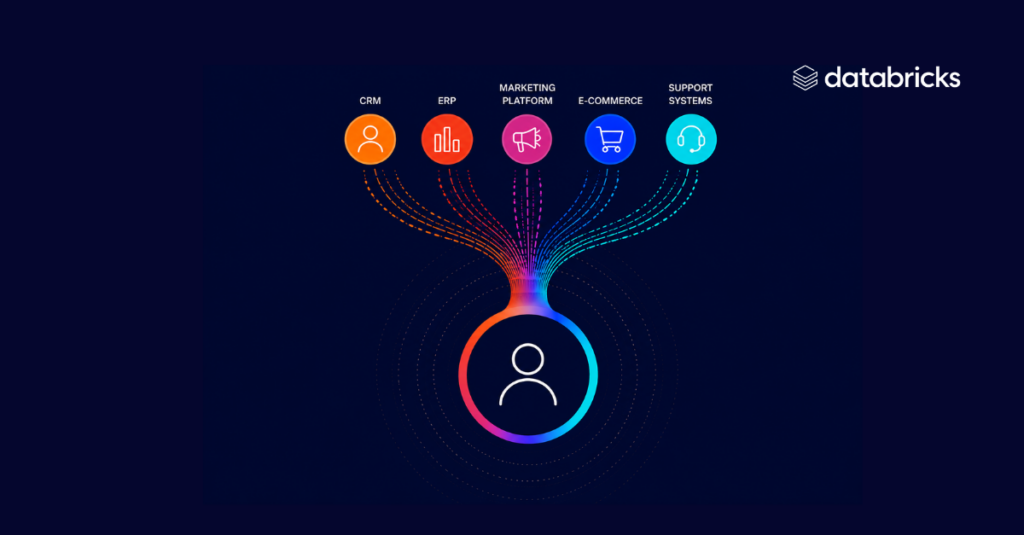
Many organizations think they have a customer understanding problem when they actually have a data problem. Customer information is scattered across systems, creating fragmented insights…
Struggling with manual data pipelines? See how metadata-driven orchestration in Microsoft Fabric simplifies operations, reduces risk, and scales with your data platform….
Power BI version control has historically been messy and manual, but with CI/CD, teams can now use Git-based workflows to track changes, collaborate more effectively,…
Learn how Medallion Architecture strengthens responsible AI by improving data quality, reducing bias, and creating Bronze, Silver, and Gold pipelines that help machine learning and…
Disconnected systems make it harder for providers to deliver quality care. Learn how Microsoft Fabric helps healthcare organizations unify their data, reduce costs, and improve…
Licensing costs are just the beginning. This article explores the total cost of ownership—comparing Microsoft Fabric to legacy data platforms across infrastructure, operations, governance, and…
A global manufacturer had the data—but not the visibility. With Microsoft Fabric, they unified siloed systems, enabled predictive maintenance, and reduced downtime by 32%. This…