The biggest barrier to innovation usually isn’t a lack of ideas — it’s the inability to turn those ideas into reality. As organizations grow, competing priorities, legacy technology, and limited capacity make it harder to experiment, move quickly, and bring new opportunities to market.
What's standing in the way?
Great ideas get stuck
Promising initiatives lose momentum because there isn’t a clear path from concept to execution.
Innovation competes with day-to-day work
Internal teams are focused on keeping the business running, leaving little time to explore what’s next.
Technology slows progress
Legacy systems and disconnected platforms make it difficult to test, build, and scale new ideas.
Opportunities take too long to reach the market
Long development cycles and competing priorities allow competitors to move first and capture momentum.
How we accelerate growth and innovation.
Successful innovation isn’t about chasing every new idea — it’s about turning the right ideas into real business value. We work alongside your team to identify the biggest opportunities, reduce the barriers to execution, and build solutions that create measurable impact.
People
We work alongside your teams to understand your goals, challenge assumptions, and bring together the expertise needed to move ideas from concept to reality.
Process
Before building technology, we help define the right priorities, validate opportunities, and create a practical path from idea to implementation.
Technology
From AI and digital products to custom applications and connected systems, we build technology that helps your organization innovate faster and scale with confidence.
Turn ambitious ideas into business growth.
Every organization approaches innovation differently, but the path from idea to impact follows a common pattern. We help organizations identify the right opportunities, build solutions that create value, and scale innovations that drive long-term growth.
STRATEGIZE
Validate opportunities before you invest
Reduce risk by testing ideas, validating assumptions, and focusing resources on the opportunities with the greatest potential.
STRATEGIZE
Define a product strategy
Create a clear roadmap that aligns customer needs, business goals, and technology investments so your team builds with confidence.
BUILD
Launch new products faster
Move from concept to market with the strategy, design, and engineering needed to deliver value sooner.
BUILD
Build AI into your business
Develop practical AI solutions that improve products, automate work, and create new opportunities for growth.
SCALE
Modernize digital experiences
Refresh existing applications and digital products so they’re easier to maintain, easier to use, and ready for what’s next.
SCALE
Scale successful ideas
Expand products, platforms, and AI solutions with the technology foundation needed to support long-term growth.
What changes after we work together.
The right technology doesn’t just help you build something new — it changes how your organization innovates. The result is faster execution, greater confidence, and a stronger ability to bring new ideas to market and turn them into measurable business growth.
New ideas reach the market faster
Reduce the time between concept and launch so your organization can respond to opportunities before competitors do.
Innovation becomes more predictable
Validate ideas early, reduce uncertainty, and make smarter investment decisions throughout the innovation process.
AI creates measurable business value
Move beyond experimentation by implementing AI solutions that improve products, operations, and customer experiences.
Digital products create new opportunities
Launch products and experiences that strengthen customer relationships and unlock new revenue streams.
Teams innovate with confidence
Give your teams the strategy, technology, and support they need to move from ideas to execution with less risk.
Growth becomes a competitive advantage
Build the technology foundation needed to continuously innovate, adapt to market changes, and stay ahead of the competition.
Artificial Intelligence & Machine Learning
Bottleneck Removed with AI-Enabled Micro Applications
A life sciences consulting firm partnered with Mutually Human to speed up research-driven presentations. AI-powered micro applications reduced manual effort while improving accuracy, governance, and scalability.
Innovation isn’t a one-time initiative. The best ideas evolve through collaboration, iteration, and continuous improvement. We work alongside your team to identify opportunities, build solutions that create value, and continue improving them as your business grows.
Accelerate
This is how we get you going quickly
Build
Flexible options for a production solution
Support
How we help ensure long-term success and scale
Accelerate
Discover the right opportunities
Every engagement starts by understanding your business, your customers, and your goals. Together, we identify the ideas with the greatest potential and build a clear path from concept to execution.
Build
Turn ideas into reality
Once the path is clear, our team designs and delivers the technology needed to bring your vision to life. From AI solutions and digital products to custom software, we build with your business goals at the center.
Support
Keep innovating
Innovation doesn’t stop at launch. We continue optimizing, expanding, and refining what we’ve built so your technology evolves alongside your business and continues creating value.
Let's build what's next.
The best ideas don’t create value until they’re brought to life. Let’s talk about how we can help you move faster, innovate with confidence, and create lasting business growth.
Read our latest data and artificial intelligence insights.
From the data foundation to the AI built on top of it. Find the capability that matches your problem, or start a conversation and we’ll help you place it.
Artificial Intelligence • Data & Intelligence • Data Engineering • Data Management • GenerativeAI • Strategy & Advisory
AI models are getting smarter, but enterprise AI still struggles with context, accuracy, and shared meaning. The missing piece may be ontology: a clear definition…
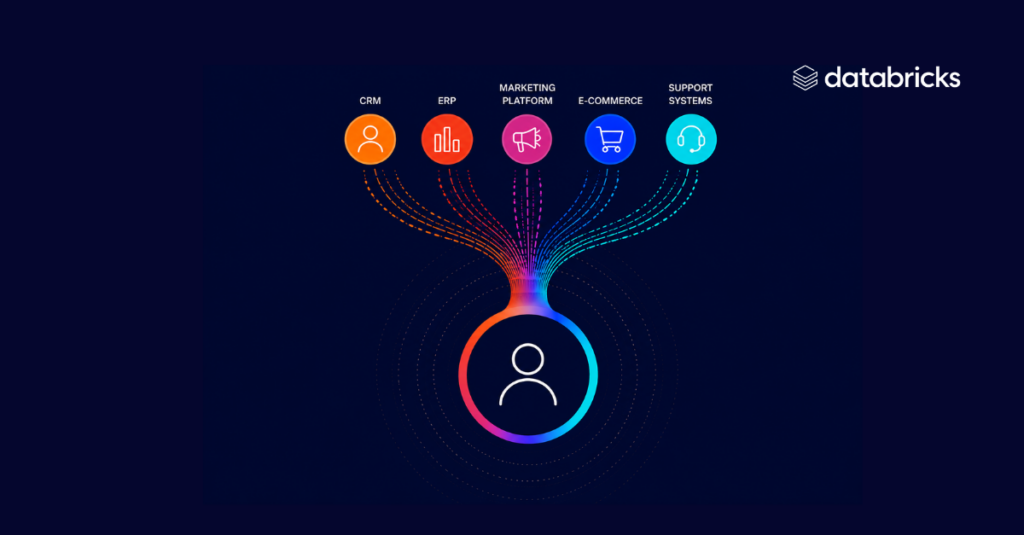
Many organizations think they have a customer understanding problem when they actually have a data problem. Customer information is scattered across systems, creating fragmented insights…
Learn how Medallion Architecture strengthens responsible AI by improving data quality, reducing bias, and creating Bronze, Silver, and Gold pipelines that help machine learning and…
Disconnected systems make it harder for providers to deliver quality care. Learn how Microsoft Fabric helps healthcare organizations unify their data, reduce costs, and improve…
Licensing costs are just the beginning. This article explores the total cost of ownership—comparing Microsoft Fabric to legacy data platforms across infrastructure, operations, governance, and…
A global manufacturer had the data—but not the visibility. With Microsoft Fabric, they unified siloed systems, enabled predictive maintenance, and reduced downtime by 32%. This…
Choosing how to implement Microsoft Fabric is just as important as choosing the platform itself. Explore the differences between Jumpstart programs, phased rollouts, and hybrid…
Many organizations invest in modern data tools—yet still face delays, silos, and inefficiencies. This article explores how to build a compelling business case for Microsoft…