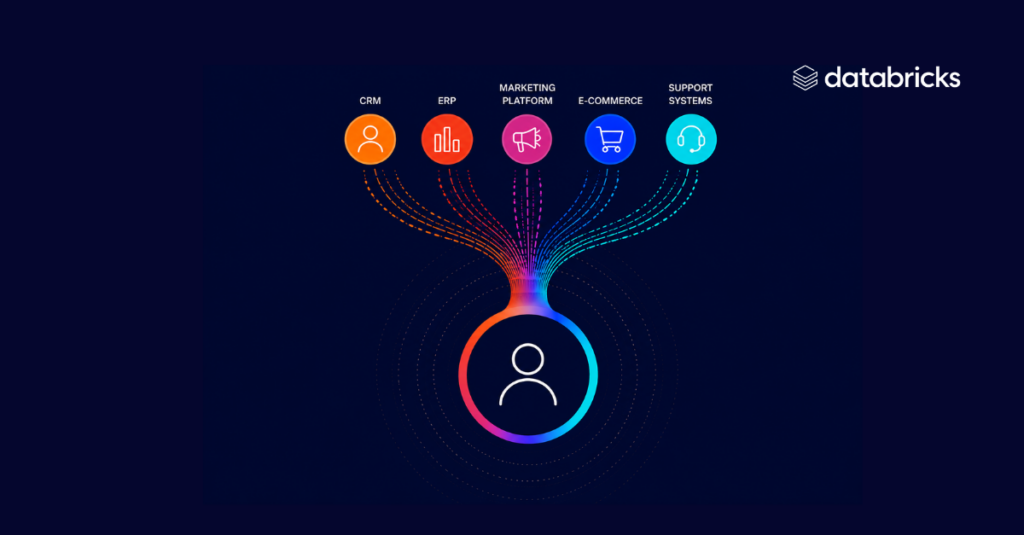

Manufacturers generate massive amounts of data every day. Machines, sensors, quality systems, and ERP transactions all produce valuable information. But too often, this data is fragmented across disconnected systems.
These silos make it difficult to get a complete view of production. Teams waste time reconciling spreadsheets and managing manual reports. Critical insights remain hidden.
Manufacturing leaders know they need to break down these barriers. They want real-time visibility, better decision-making, and a foundation for AI. That’s why many are adopting Microsoft Fabric to unify factory floor data.
The Problem with Disconnected Data
Most factories run on a mix of systems:
- Machine data trapped in on-premises historians and silos
- MES platforms that don’t talk to ERP
- Quality records stored in spreadsheets
- Supplier data managed in separate tools
This fragmentation causes real problems. Reporting is slow and error-prone. Teams lack real-time performance metrics. Opportunities for process improvements get missed.
Manufacturers can’t answer essential questions. Where are we losing yield? What causes downtime? Can we predict failures before they happen?
Microsoft Fabric: A Unified Data Platform
Microsoft Fabric offers a single analytics platform that connects these data sources. It brings together data engineering, data warehousing, data science, real-time analytics, and business intelligence in one solution.
For manufacturers, that means they can integrate data from:
- SCADA systems and IoT devices
- MES, ERP, and quality systems
- Supplier and inventory databases
- External sources like weather or logistics feeds
Fabric uses a Lakehouse architecture that handles structured and unstructured data. Teams can analyze, share, and govern data more easily.
Real Benefits for Manufacturing Teams
When manufacturers unify factory floor data with Microsoft Fabric, they see clear improvements.
Real-Time Visibility
Fabric enables live monitoring of production KPIs, including critical metrics like yield, downtime causes, and output. Teams can track Overall Equipment Effectiveness (OEE) in real time, supporting faster decisions on the factory floor.
Improved Quality
Connecting data across processes supports better root-cause analysis. Teams can identify and fix issues faster, reducing scrap and rework.
Predictive Maintenance
By combining sensor data, maintenance logs, and environmental factors, teams can predict failures. Planned maintenance becomes more effective, reducing unplanned downtime.
Streamlined Reporting
Fabric standardizes data pipelines and dashboards. Reports are faster and more accurate. Compliance requirements are easier to meet.
Better Resource and Scheduling Management
Unified data supports improved planning for raw materials, machine use, and operator scheduling. Manufacturers can optimize routing, reduce bottlenecks, and align production with demand. This helps meet on-time shipping metrics like OTIF and supports Just-in-Time (JIT) strategies, boosting overall attainment goals.
AI-Ready Foundation
A unified platform is the first step toward advanced analytics. Manufacturers can experiment with machine learning and AI without starting from scratch.
A Typical Use Case
Consider a manufacturer with plants across several states. Each location uses its own MES and maintenance system. Company-wide reporting takes weeks of manual work. Errors are common. Teams struggle to see real-time performance or track critical metrics like Overall Equipment Effectiveness (OEE).
Resource planning is also a challenge. Without unified data, it’s difficult to coordinate raw materials, machine schedules, and operator availability. These issues lead to missed on-time shipping goals, difficulties meeting OTIF targets, and obstacles to supporting Just-in-Time (JIT) production strategies.
With Microsoft Fabric, they can:
- Connect all factory floor systems to a single data platform
- Standardize and clean data automatically across locations
- Build dashboards for real-time insights into yield, downtown causes, and OEE
- Improve scheduling and resource planning with unified visibility into materials, machines, and labor
- Enable alerts when jobs risk missing planned ship dates, supporting OTIF and JIT goals
- Develop predictive models for maintenance to reduce unplanned downtime and boost attainment goals
This shift improves decisions at every level. Plant managers, operations leaders, and executives all get the same accurate view of performance.
Steps to Get Started
Implementing Microsoft Fabric in manufacturing doesn’t have to be overwhelming. A practical approach often includes:
- Assessing Data Sources
- Identity all relevant systems and data types
- Evaluate data quality and accessibility
- Designing the Data Architecture
- Define how data will move from factory systems to the Lakehouse
- Building Incrementally
- Start with a high-impact use case like downtime analysis or predictive maintenance
- Enabling Self-Service BI
- Create dashboards and tools that empower teams to explore data
- Planning for Advanced Analytics
- Lay the groundwork for AI and machine learning projects
Why Now?
Manufacturing faces new pressures. Supply chains are volatile. Labor shortages are common. Customers demand faster delivery and better quality.
Companies need agility and efficiency to stay competitive. That requires data-driven decisions at every level.
Unifying factory floor data isn’t just an IT upgrade. It’s a strategic move to build a resilient, future-ready organization. Microsoft Fabric offers a practical way to achieve this.
Learn More
If you’re ready to explore Microsoft Fabric for your manufacturing operations, we can help. Our team specializes in designing and implementing Fabric solutions that deliver results.
Contact us to schedule a data discovery session or learn about our Microsoft Fabric Jumpstart services.